
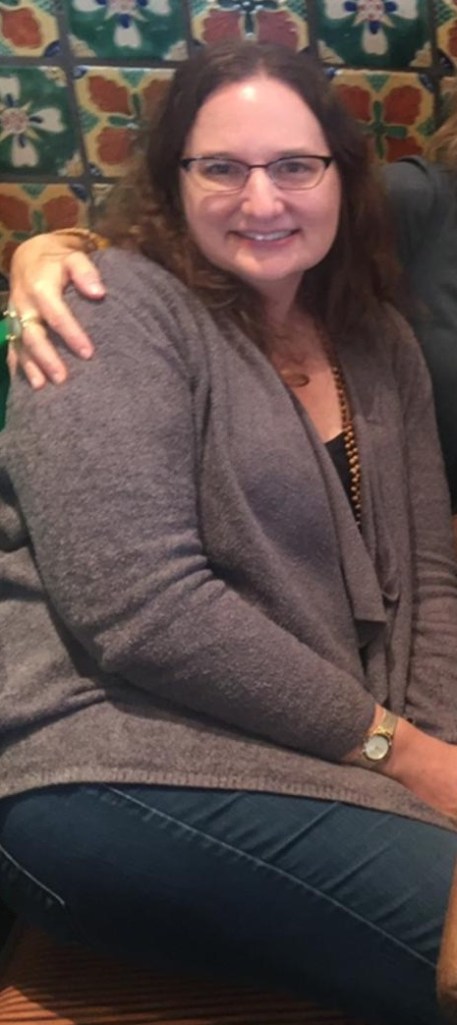
I started putting on weight in my mid-twenties, after graduating law school and starting a full-time job. My doctor said it was normal—something that happens as you get older, especially in a sedentary profession.
For a long time, I accepted that as the inevitable reality. Eventually, I got close to 200 pounds.

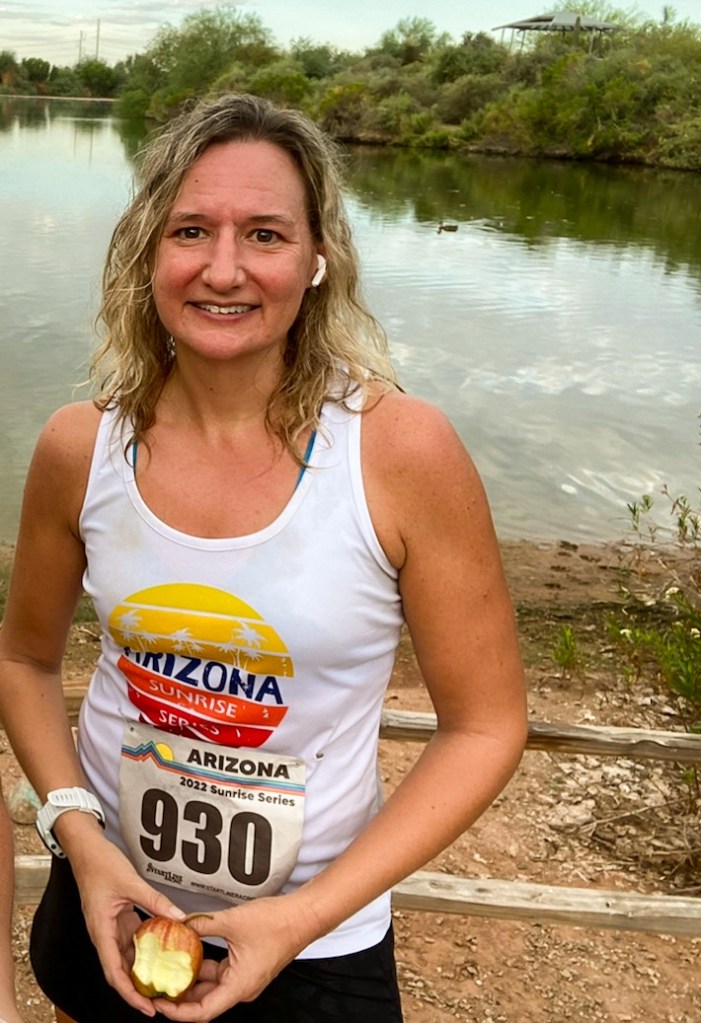
I didn’t try to lose weight at first. I was just exercising and eating better to feel less stressed. But when I started seeing changes in my body, I wondered how far I could take it.
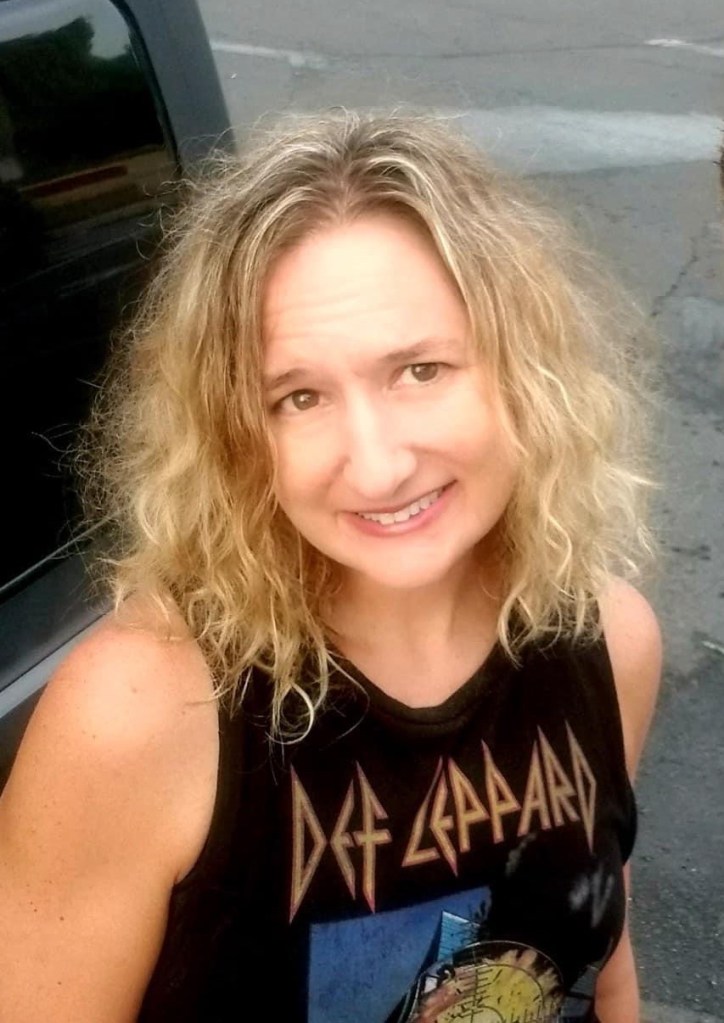
I ended up surprising myself. I lost 65 pounds and have kept it off for six years—without returning to dieting, counting calories, or weighing myself.


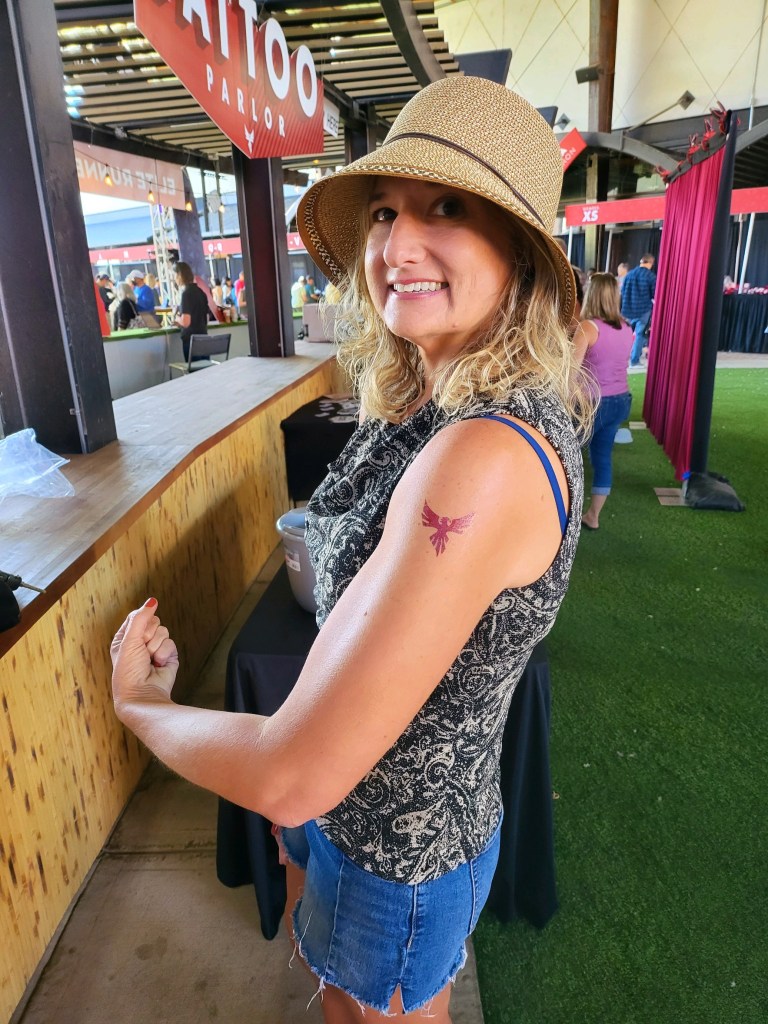
I’m not a doctor or an influencer. I don’t have anything to sell. But I know what worked for me — and some of it surprised me.
Here are 10 insights that made the difference for me.
1. Lean protein is powerful.
I used to be constantly hungry. I made huge servings of vegetables, but I’d be starving immediately after eating.
I enrolled in a formal nutrition program that used “macros” – targets for grams of fat, carbs and proteins. After my first breakfast on the plan, I was surprised to find myself feeling full for the first time in a long time, The key ingredient I’d been missing: lean protein.
Lean proteins are foods that are mainly protein — egg whites, shrimp, fish, and chicken, as opposed to mainly fat or mainly carbs. I had been eating plenty of foods with protein — cheese, lentils, beans — but none of those were lean proteins. I hadn’t realized the difference.
Adding lean protein was transformative. I felt full on less food.
2. Eating carbs, protein and fat together is more nourishing
You may be reading Number 1 and thinking: “Excellent, I will just eat lots of lean protein.” It doesn’t work like that. The most filling and nourishing meals involve a combination of lean proteins, carbs and fats. Eating six shrimp is less satisfying than three shrimp on sautéed spinach with a handful of peanuts. Our bodies seem to respond best when we feed them everything they need at once.
3. Seasoning changes everything
Most of the things that I had been using to make my food delicious — store-bought fat- or sugar- based sauces, cheese, etc. — had far too much fat or carbs to fit my “macros.” I switched to using seasoning and vinegar-based hot sauces with few calories (like Tabasco) to make my food delicious. This became my formula:
- Seasoned lean protein.
- Seasoned vegetables OR fruit.
- A small side of fat (like a handful of nuts, some olives, or part of an avocado).
4. Decline the supplements
People will try to sell you supplements, shakes, or fizzy drinks to fix your mood, make you less hungry, or replace something you are missing. I suggest declining all of this. We’re built to get nutrients from food—not powders, pills, or fizz. 1
5. Real food beats fake food, but fake diet food will do in a pinch
Many “diet” foods started as something real that has been processed beyond recognition— organic chickpea chips, pea-protein puffs.
I relied on some of these “macros-friendly” options when I was losing weight; sometimes you just need something convenient. But they’re crutches. Once I was done losing, I let them go.2
- Rigid programs can help you lose weight
I used a formal nutrition program that tracked macros – grams of carbs, fat and protein — at each meal. Even 1/4 of a protein bar, or a few extra baby carrots, had to be tracked.
I realized at the time that this hyper-focus was a bit absurd. But there was value in having objective targets. Human physiology is built to maintain weight in times of famine. To lose weight, we’ve got to get in a calorie deficit – which feels a bit unnatural. The result? Intuitive approaches are great for maintaining weight, but don’t work as well for losing it.
- Joy-based eating can keep weight off
Here is something important: The rigid program should be temporary. Once you’ve accomplished your goal, give it up.
Many formal weight-loss programs end by prescribing a “maintenance” phase that is the basically the same as the “weight loss” phase, with a few more grams of carbs and fat, or calories, tacked on. That kind of tracking as a permanent way of life is joyless. I refuse to buy into a world where an extra-large California avocado—or my mom’s homemade pound cake—counts as part of the 20 percent “un-clean.”
For me: Initial weight loss was about rigidity, but real life is about eating for joy.
- Nutrition is the key to losing weight; exercise is the key to maintaining.
You don’t lose weight through exercise. But you do keep it off that way. Here is why. Building muscles increases metabolism; our bodies needs more energy to maintain muscles than to maintain fat. Combined with the calorie-burning effect of cardio exercise, this gives people the buffer they need to keep weight off without resort to soul-depleting rigidity.3
To be clear: I whole-heartedly reject “earning” food with exercise. Exercise is a joy which needs no purpose. Good food is a joy which needs no justification. But adopting exercise as part of a joy-filled life makes it easier to eat delicious, whole food as part of a joy-filled life.
- Losing weight was easier than I thought.
I’d heard all the grim statistics and didn’t expect to succeed. I certainly won’t say it was easier. But losing the weight turned out to be easier than I expected—once I had the right structure. I wish my younger self had understood that fitness and good food can support a life of abundance and joy, rather than living in tension with that good life.4
- Losing weight is not about looking great.
I won’t lie: it was awesome to hear people say I looked amazing after I lost weight. But I was a middle-aged lawyer, not a professional model. I didn’t, and don’t, need to look great (much less thin) to have a great life. Fleeting compliments are nice, but are nothing compared to the joy of discovering what your body can do. As with most good things, the impact of that rippled through my whole life. I found a community of fitness-minded friends, took on hobbies I never expected, lowered my work stress—and became a happier person.
Like this post? Click here to subscribe.



Footnotes
¹ I lost weight before the new class of weight-loss drugs like Ozempic became widely available. I don’t have personal experience with them and can’t speak to their risks or benefits. ↩
² Chris van Tulleken’s excellent book, Ultraprocessed People, documents the devastating impact ultraprocessed food has on our bodies, health, and culture. Unlike me, Tulleken is an actual expert – a medical doctor – who could survive a Daubert challenge. As all good trial lawyers know, a scientific expert with a British accent counts double. ↩
³ Harvard Health Publishing. (2021, November 1). Muscle mass: A key to staying healthy as we age. Harvard Medical School. https://www.health.harvard.edu/staying-healthy/muscle-mass-a-key-to-staying-healthy-as-we-age (“Muscle tissue burns more calories than fat tissue does, even when you’re at rest. So increasing your muscle mass helps you burn more calories all day long.” ↩
⁴ I don’t want to minimize the effort it takes to lose weight. Many people have more weight to lose than I did, or have fewer resources or more demands on their time. And everyone’s body is different. But there is also a risk in overstating the challenge. ↩
 The Fully Invested Lawyer
Leave a comment